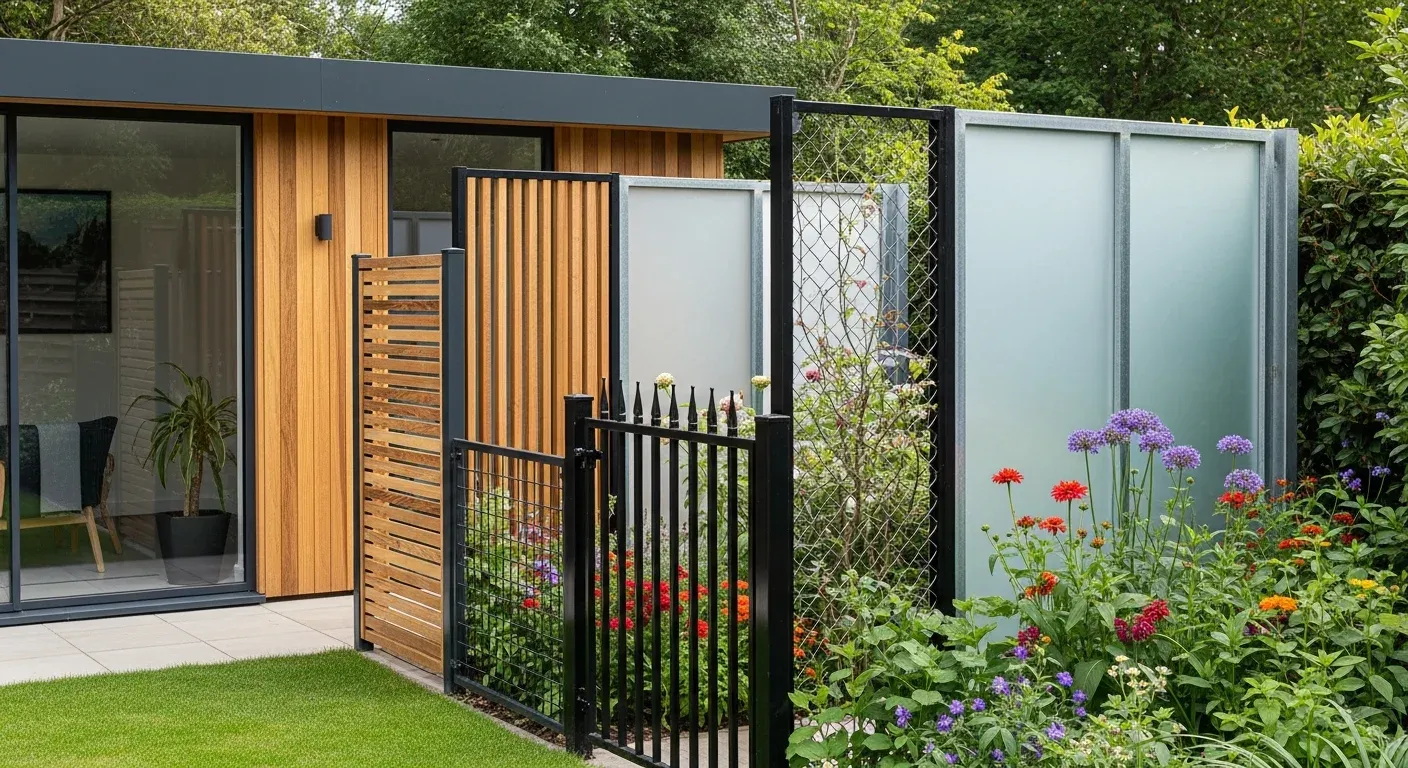
A modern garden is much more than a simple patch of grass behind the house. Today, it’s a genuine extension of your home-a personal retreat for relaxation, work, or gathering with friends. As garden offices, studios, and outdoor lounges become ever more popular, the structures that frame these spaces are gaining attention. Among them, fencing stands out as both a practical necessity and a statement piece that ties your outdoor design together.
The choice of fencing materials has a significant impact not only on the style of your garden retreat, but also on its durability and the comfort it offers throughout the year. Let’s explore how your fence can do more than simply mark boundaries-it can truly transform the way you use and enjoy your garden buildings.
Fencing as a Foundation for Garden Ambience and Function
A thoughtfully selected fence can change the entire atmosphere of your outdoor area. It’s the first thing you see as you step into the garden, and it quietly shapes your sense of privacy, security, and style.
How Fencing Defines Space and Character
Your fence sets the stage for your garden building. If you have a sleek, modern garden office, a minimalist metal or composite fence will echo its lines and materials. For a more rustic or traditional summerhouse, timber panels might evoke a sense of warmth and nostalgia. Integrating your fencing with other elements-such as decking, pergolas, or pathways-helps create a seamless, welcoming environment.
Privacy, Openness, and Visual Flow
The height, style, and material of your fence directly affect how much privacy your garden building enjoys. Tall, solid panels can transform your space into a secluded haven, while lower or slatted designs allow sunlight and views to filter in, connecting your retreat with the surrounding landscape. A well-chosen fence balances seclusion and openness, making your garden building feel both protected and inviting.
Exploring Popular Fencing Materials and What They Offer
The material you choose for your fence can determine not only how your garden looks, but how it weathers the years to come. Here’s a closer look at the options many homeowners consider:
Wood
Wooden fencing is prized for its natural charm and versatility, fitting in with both classic and contemporary designs. It does, however, require regular care-painting, staining, or sealing-to prevent rot and keep pests at bay. Untreated wood can deteriorate quickly, especially in damp climates.
Metal (Steel, Aluminium, Wrought Iron)
Metal fences offer impressive durability and a choice of modern or traditional aesthetics. Powder-coated finishes resist rust and minimize maintenance, but initial costs can be higher. If not treated properly, metal may still be vulnerable to corrosion over time.
Composite
Composites combine wood fibers with plastic, capturing the look of timber while offering superior resistance to weather and insects. These fences are generally more expensive than standard wood, but their low maintenance and longevity often justify the investment.
Vinyl
Vinyl fencing is exceptionally low-maintenance, immune to rot and insect damage, and comes in a variety of colors and styles. The trade-off is that it can become brittle as it ages and may lack the upscale appeal of wood or metal in some settings.
What to Think About When Choosing a Material
- Durability: Will the fence stand up to your local weather year after year?
- Maintenance: How much time and effort are you willing to invest in upkeep?
- Weather Resistance: Is the material prone to warping, rust, or fading?
The fencing material you select can influence the lifespan and maintenance needs of your garden buildings, by shielding them from harsh weather and environmental damage.
How Fencing Materials Impact Longevity and Protection
A quality fence does more than just outline your property-it acts as a crucial shield for your garden buildings. The right fencing materials can buffer your structures from wind, rain, and intense sun, extending their useful life.
Defending Against Weather and Decay
Pressure-treated timber, powder-coated steel, and advanced composites are designed to withstand the elements-resisting rot, corrosion, and moisture damage. This not only keeps your fence looking good, but also helps prevent issues like damp and decay in nearby garden buildings.
Creating a Microclimate
A well-placed fence can shape the microclimate around your garden building, reducing wind exposure, stabilizing temperatures, and even preventing soil erosion. By moderating the local environment, your fence plays a direct role in preserving both itself and the structures it surrounds.
Achieving Cohesion: Matching Your Fence to Your Garden Building
A harmonious outdoor space relies on the thoughtful pairing of fencing and garden buildings. Here’s how to create a unified look that’s as practical as it is appealing:
Pairing Styles for Maximum Impact
- For modern garden offices and studios, minimalist metal or composite fences offer a clean, sophisticated finish.
- Traditional summerhouses come alive with classic timber panels or decorative wrought iron.
- Eco-friendly retreats pair beautifully with natural or recycled materials, underscoring a commitment to sustainability.
Color, Texture, and Proportion
- Choose fence colors that either match or tastefully contrast with your garden building for added visual interest.
- Mix textures-smooth and rough finishes-to bring depth and character to your outdoor design.
- Select a fence height that delivers privacy without making the space feel closed in.
Blending Practicality with Style
A fence should do more than look good. Security, privacy, and even pet safety are all important considerations. Slatted designs can provide partial screening, while climbing plants can soften hard lines and create a living fence effect that evolves over time.
Embracing Sustainability and Looking to the Future
As environmental awareness grows, more homeowners are seeking sustainable fencing solutions for their gardens. The market now offers:
- Recycled composite fences, made from reclaimed wood and plastic.
- Thermally-modified timber, which achieves enhanced durability without harsh chemicals.
- Living fences, such as hedges and green screens, that support local biodiversity.
What’s Next in Fencing Innovation?
Expect to see smarter fencing systems, like solar-powered lighting and integrated security, becoming more common. Advances in material science are also delivering longer-lasting, lower-maintenance products that blend seamlessly with modern garden designs.
Choosing the right fencing materials shapes not only the look of your garden building, but its resilience and comfort for years to come. Whether you’re planning a contemporary workspace, a cozy hideaway, or a family retreat, your fence is an investment in style, security, and longevity.
Take the time to consider how your fencing complements and protects your garden building-because a well-chosen fence is the foundation of a truly welcoming outdoor sanctuary.